

Applying Lean Manufacturing Principles to Software Development: A New Era of Efficiency 🚀
Welcome to a deep dive into the fascinating world of software development through the lens of lean manufacturing principles. If you’re a tech enthusiast, developer, or manager looking to streamline processes and boost productivity, you’ve come to the right place! Let’s explore how the lean methodology, traditionally used in manufacturing, can revolutionize software development. 🌟
Table of Contents
1. Introduction to Lean Manufacturing
2. Understanding Lean Principles
3. Adapting Lean to Software Development
4. Benefits of Lean Software Development
5. Steps to Implement Lean Principles in Your Team
6. Conclusion
7. FAQs
Introduction to Lean Manufacturing
Lean manufacturing originated in the factories of Toyota in the mid-20th century, aiming to maximize value by eliminating waste. It’s a philosophy centered around continuous improvement and efficiency. But what if we could harness these same principles for software development? 🤔
Understanding Lean Principles
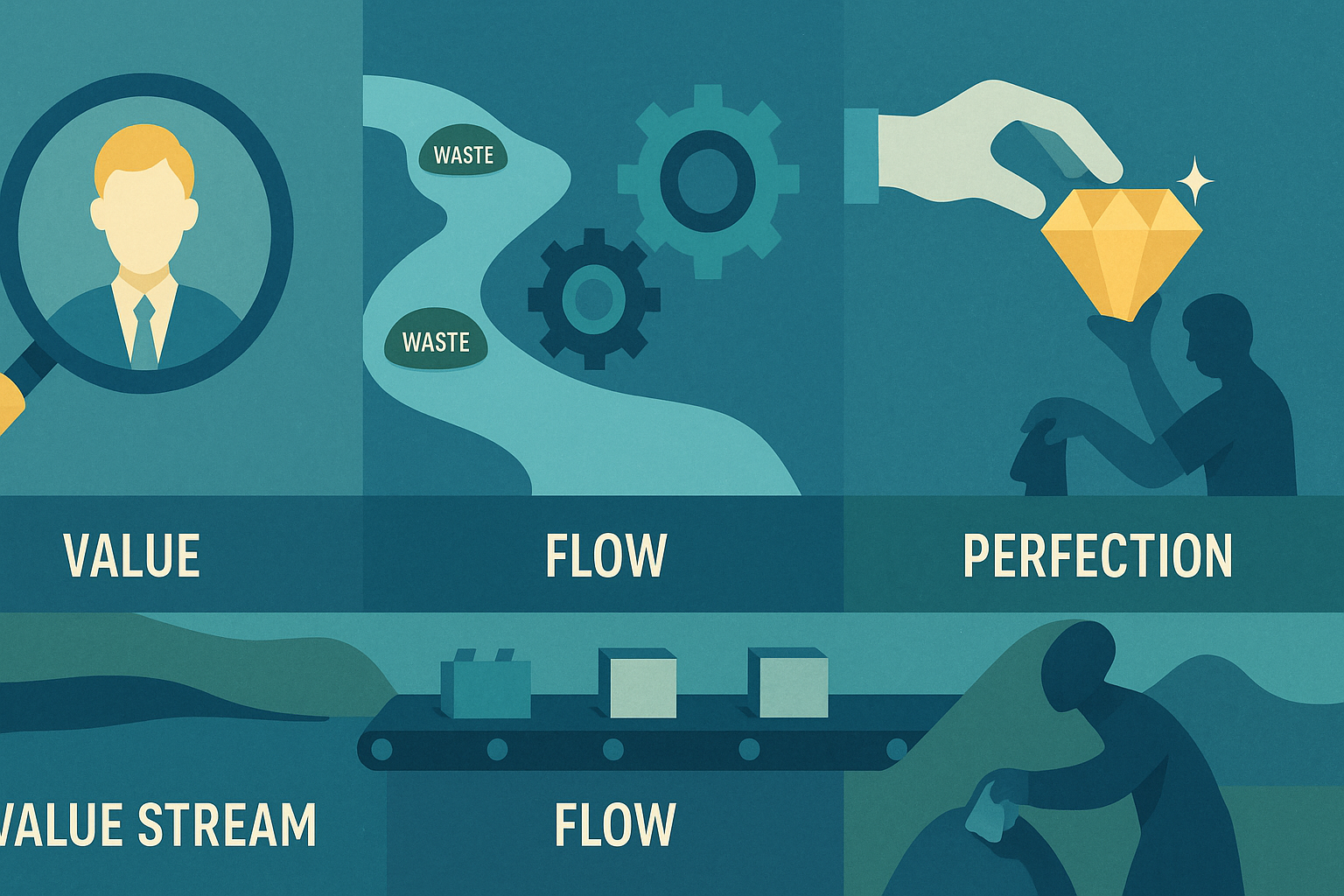
Before diving into software specifics, let’s quickly revisit the core principles of lean manufacturing:
1. Value: Define what truly adds value from the customer’s perspective.
2. Value Stream: Map out the process to identify areas of waste.
3. Flow: Ensure the process flows smoothly without interruptions.
4. Pull: Produce based on customer demand, not forecasts.
5. Perfection: Continuously strive for improvement.

Adapting Lean to Software Development
So, how do these principles translate into the world of coding, debugging, and deploying? Let’s break it down:
Value in Software Development
In software development, value is all about delivering features and functionalities that the end-users truly need and will use. It’s about prioritizing user stories based on actual user feedback and business goals. 🧑💻
Streamlining the Development Process
Map out every step from ideation to deployment. Identify bottlenecks and unnecessary steps that do not add value. For example, lengthy approval processes can often be streamlined to enhance team agility.
Ensuring Continuous Flow
Implement practices like continuous integration and continuous deployment (CI/CD) to maintain a seamless workflow. This helps in reducing wait times between development stages and ensures that the product evolves steadily.
Pull-Based Development
Focus on developing features based on real-time demands rather than speculative planning. Agile methodologies like Kanban align perfectly with this principle, allowing teams to adapt quickly to changing requirements.
Striving for Perfection
Foster a culture of continuous improvement. Regular retrospectives and feedback loops are essential in helping teams identify areas for improvement and innovation. 🚀
Benefits of Lean Software Development
Adopting lean principles in software development can lead to numerous benefits:
✅ Increased efficiency and reduced waste
✅ Enhanced product quality and user satisfaction
✅ Faster time-to-market
✅ Improved team collaboration and morale
Steps to Implement Lean Principles in Your Team
Ready to get started? Here are some actionable steps:
1. Educate your team about lean principles and their benefits.
2. Start small by implementing lean practices in a pilot project.
3. Use tools like Kanban boards to visualize workflows.
4. Regularly review and adjust processes to eliminate waste.
5. Encourage a culture of feedback and continuous learning. 👩🏫
Conclusion
By applying lean manufacturing principles to software development, you can create a more efficient, responsive, and user-focused development process. Embrace the lean mindset, and watch your team’s productivity soar! 🌟
FAQs
1. What is the main goal of lean software development?
The main goal is to maximize customer value while minimizing waste, ensuring a more efficient development process.
2. How does lean differ from agile?
While both emphasize adaptability and efficiency, lean focuses more on waste reduction and process optimization, whereas agile emphasizes iterative development and flexibility.
3. Can lean principles be applied to all types of software projects?
Yes, lean principles are versatile and can be adapted to suit any software project, regardless of its size or complexity.
4. How quickly can a development team see results from implementing lean principles?
Teams can start seeing improvements within a few weeks, especially if they focus on quick wins and continuous feedback loops.
5. Is there a specific tool needed to implement lean in software development?
No specific tool is required, but project management tools like Jira or Trello can help visualize and manage workflows effectively.